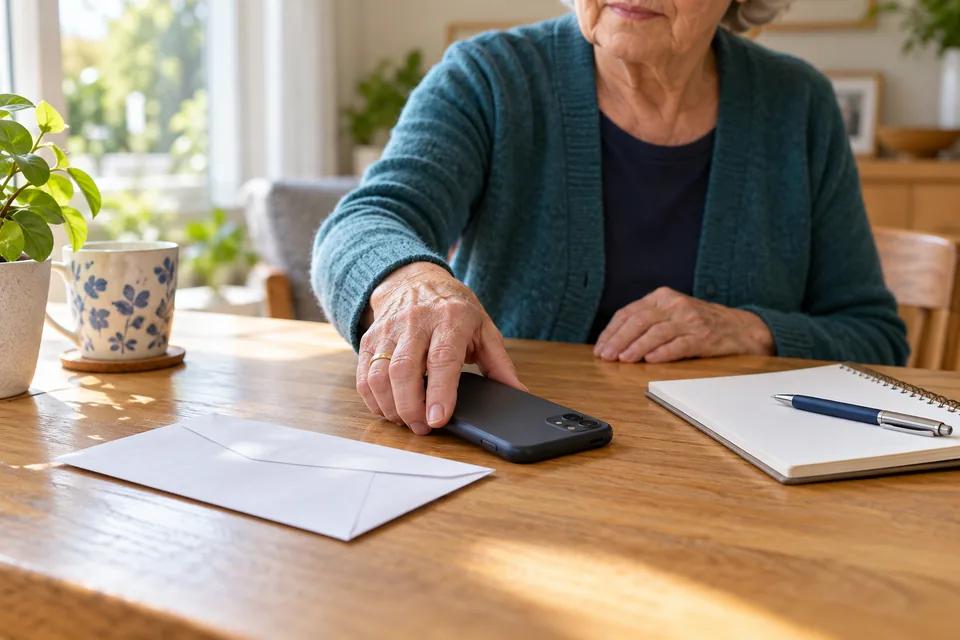
Do not pay a caller to avoid arrest.
Hang up and contact the court or police department through independently verified details. Do not use a number supplied by the caller.
Warning signs to look for
- A demand for immediate payment to cancel a warrant or avoid arrest.
- Instructions to keep the call secret, stay on the line, or use gift cards, cryptocurrency, payment apps, or a cash handover.
- An official-looking caller ID, badge number, court document, or real officer’s name used as proof. These details can be copied or faked.
What you can do
- Hang up. Do not pay or share personal information with the caller.
- Find the court or police department’s official contact details yourself. Ask the clerk about jury service through that separate channel.
- If you paid, contact your bank or payment provider immediately, then use the reporting resources for your country.
What the recent court warnings say
The U.S. District Court for the Western District of Texas warned on June 24, 2026 about callers using real names, badge details, and spoofed government numbers. A February 24, 2026 Maryland court alert says jury-duty fines are not collected through threatening payment calls. Court staff may legitimately contact jurors, so verify independently rather than assuming every call is fake. These examples concern U.S. courts; local processes differ.
Talk about it together
Try starting with:
“If someone calls threatening arrest, you can hang up and check with the court. You do not have to pay while they keep you on the phone.”
Sources and further reading
June 24, 2026: Western District of Texas warningFebruary 24, 2026: District of Maryland jury scam alertGeneral educational information. Reporting routes and protections vary by country.